Vitriol : signification de l’acronyme et de la substance

Vitriol : signification de lacronyme et de la substance

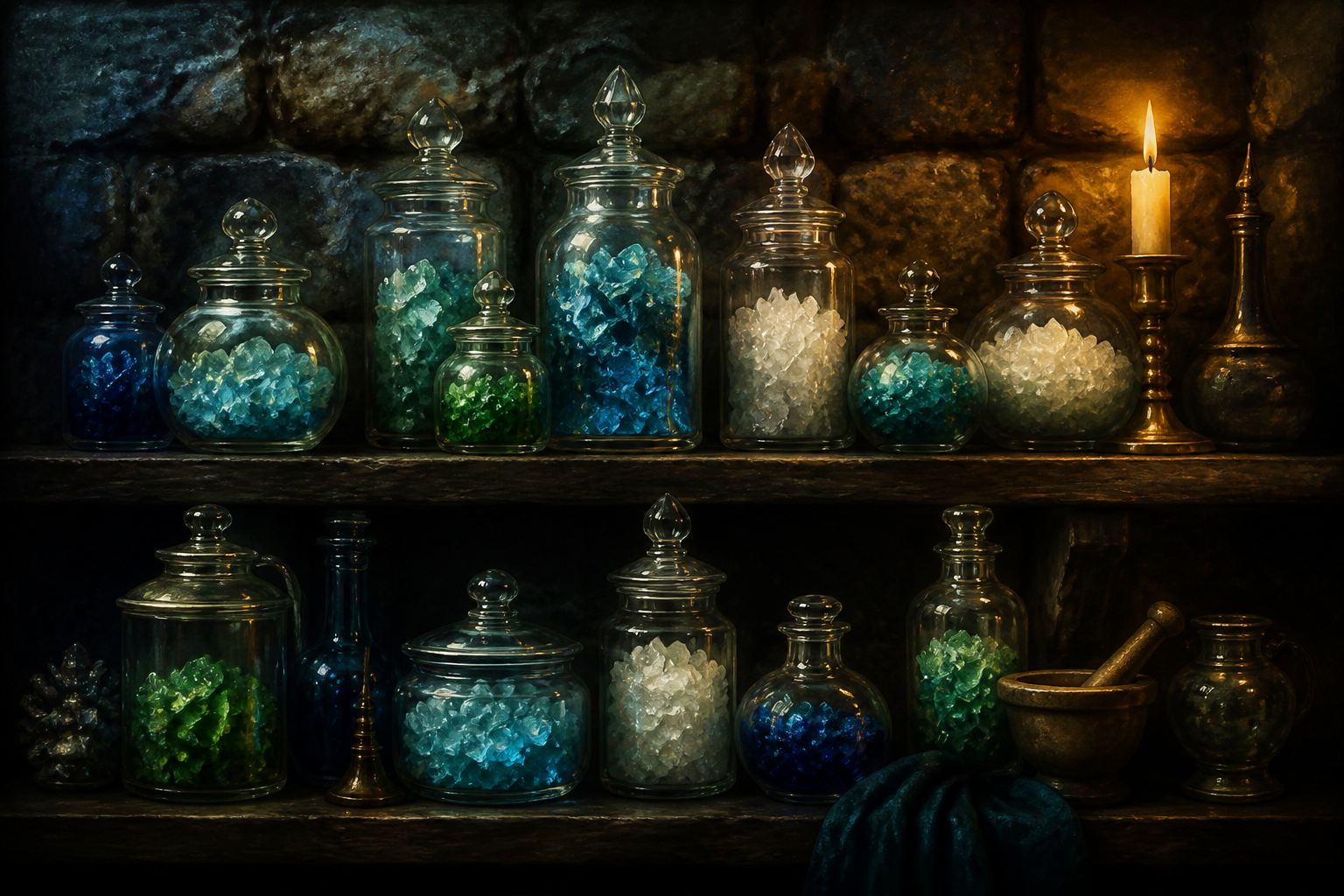
Le mot « vitriol » désigne à la fois une réalité chimique bien tangible et un acronyme latin lourd de sens ésotérique. Cette dualité n’est pas accidentelle : elle résume toute la démarche de l’alchimie hermétique, où la matière visible et la voie intérieure se répondent. Comprendre le vitriol, c’est saisir comment les anciens herboristes … Read more
Solve et Coagula : signification, traduction et origine

Solve et Coagula : signification, traduction et origine

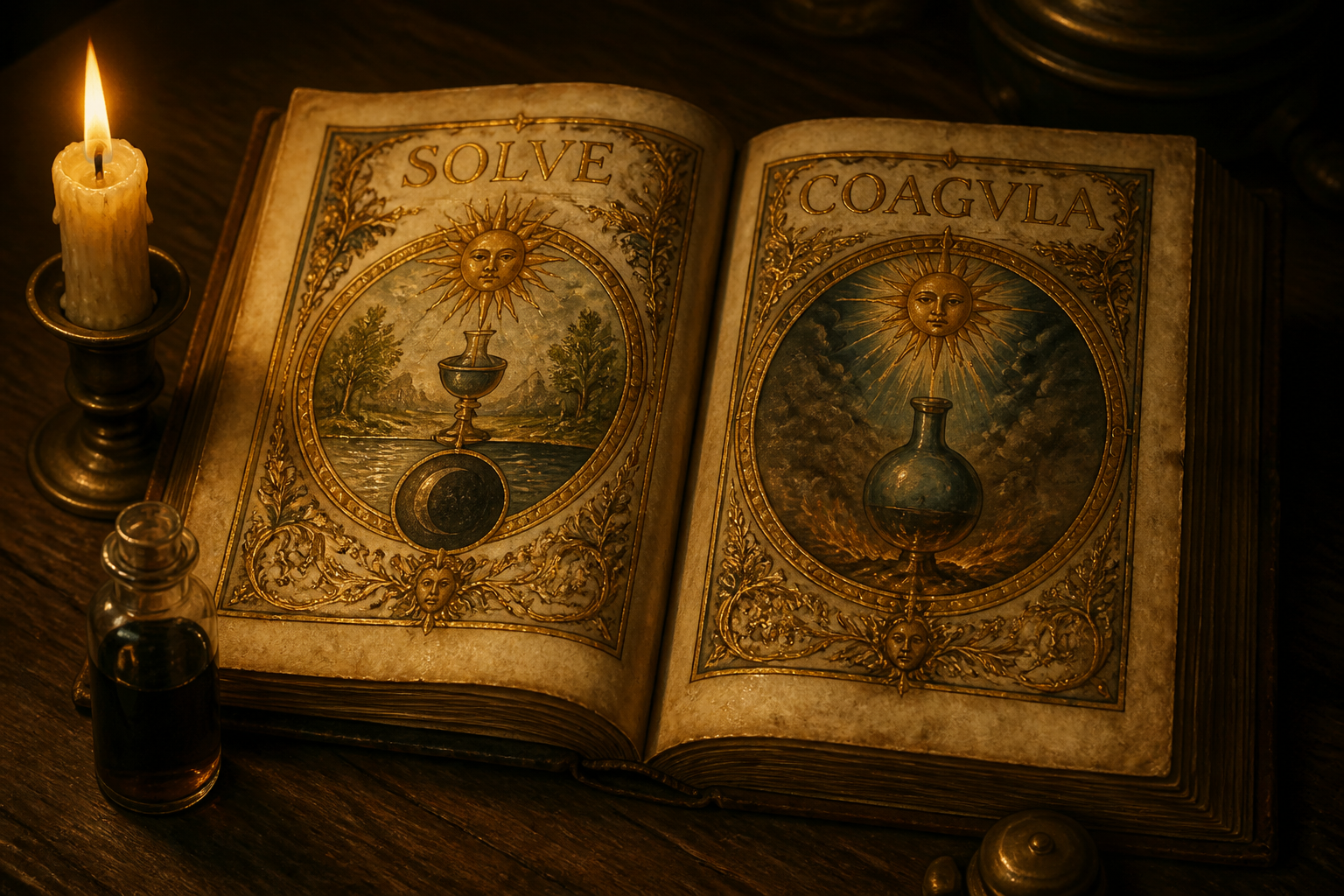
« Solve et coagula » signifie littéralement « dissous et coagule ». C’est la devise opératoire fondamentale de l’alchimie occidentale, qui décrit le cycle de décomposition puis de recombinaison d’une substance. Vous rencontrerez cette formule partout dans la tradition hermétique : elle n’est pas une maxime philosophique, mais une instruction pratique, adressée à celui ou celle qui fait le travail. … Read more

Can You Make a Spagyric Without a Crucible?

Can You Make a Spagyric Without a Crucible

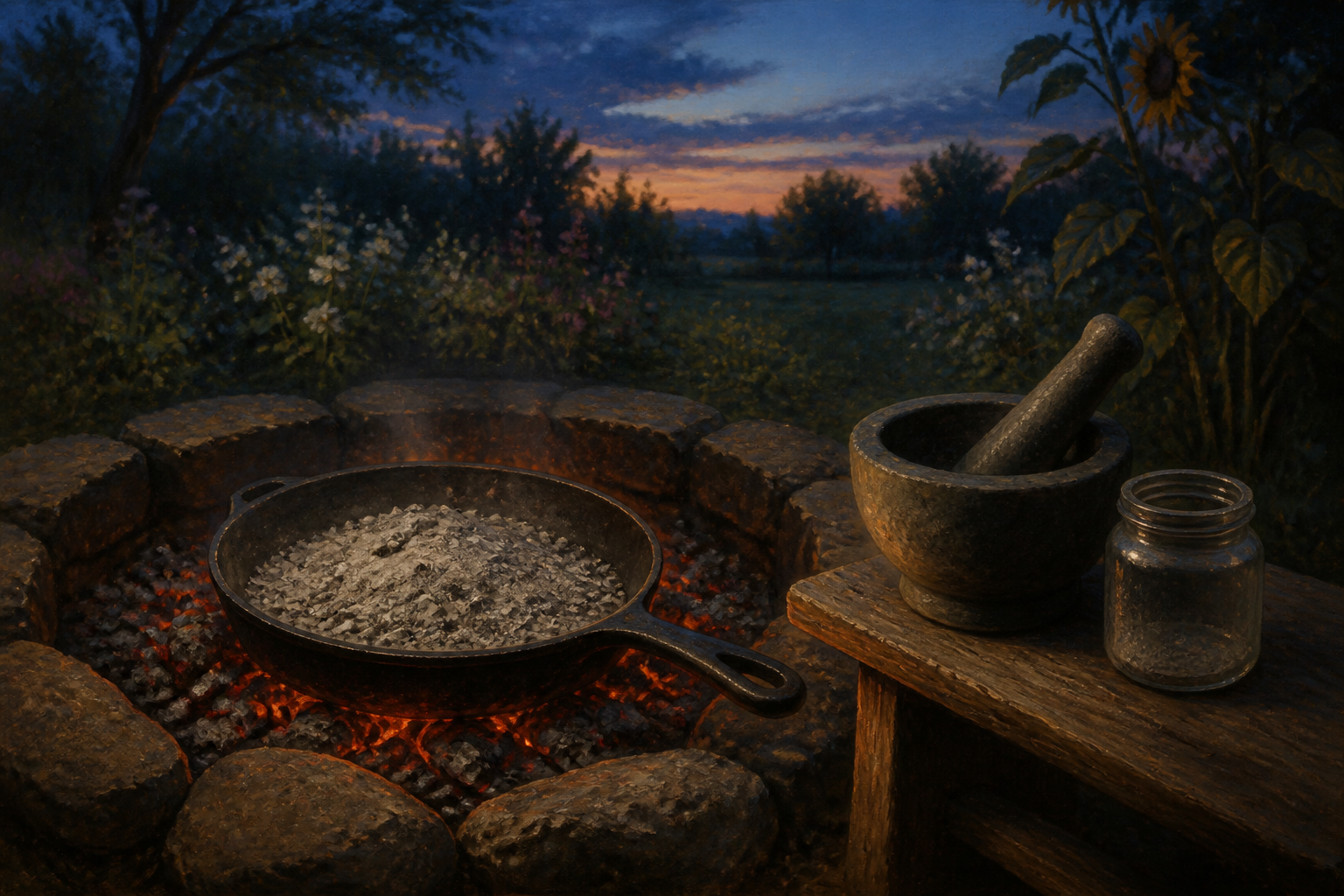
Yes. A crucible is refractory, not magical—a container that tolerates sustained heat without cracking or shedding material into your ash. Several things in an ordinary kitchen or garden will do the same job. The real constraint is heat, not hardware. What the Crucible Is Actually For In plant spagyrics, the crucible’s sole purpose is to … Read more

The Sheaf of Corn: Masonry’s Oldest Pun, and the Grain Behind It

The Sheaf of Corn: Masonrys Oldest Pun, and the Grain Behind It

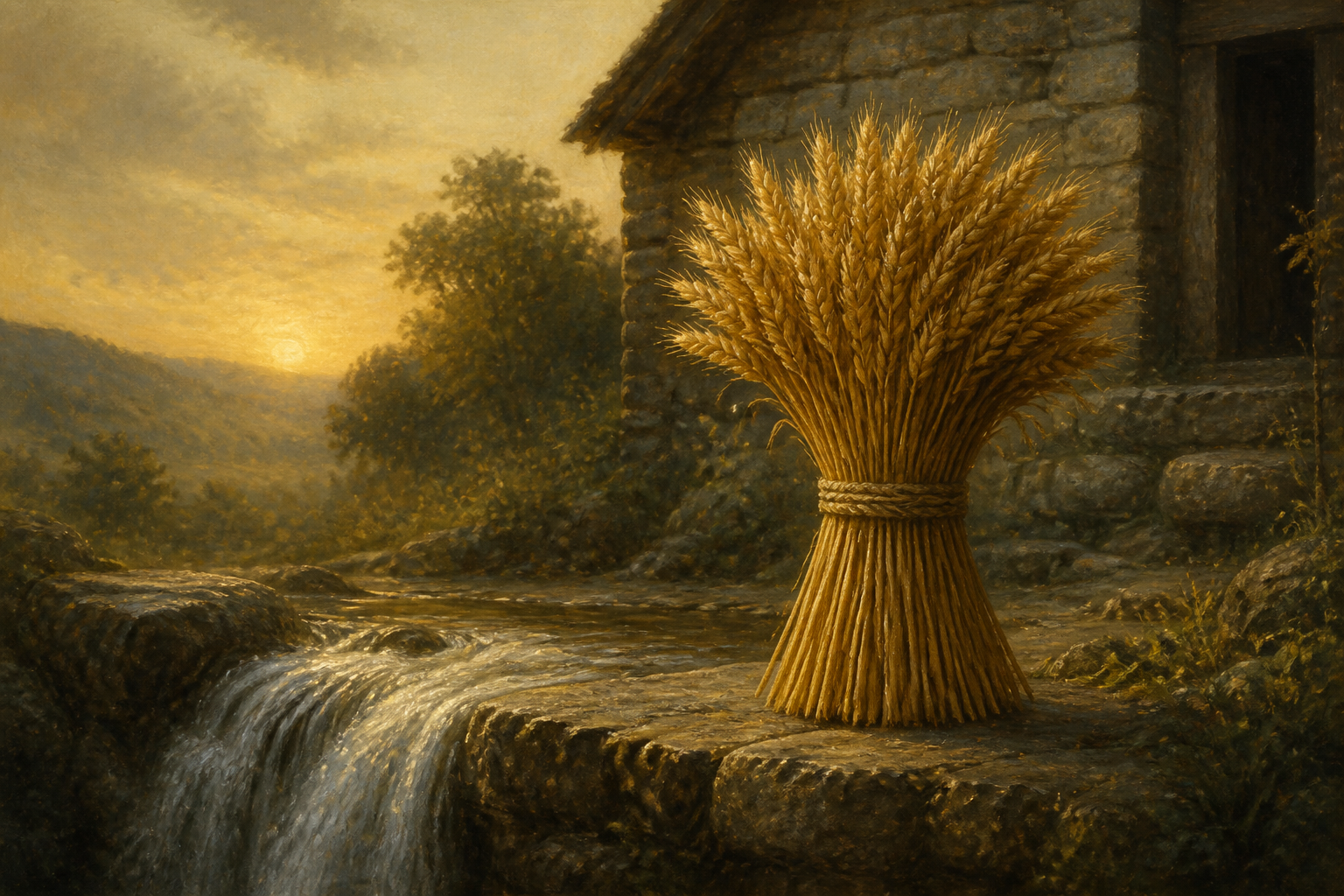
The sheaf of corn is a Fellowcraft emblem, paired with a flowing stream—and it is half of a bilingual pun that most readers of Masonic symbolism never see. Even more fundamentally, “corn” here means grain: wheat or barley, never the maize we now call corn. That single word slip has obscured the emblem’s true meaning … Read more

The Bulb That Names the Guilty: Divination Plants of Southern African Traditional Healers

The Bulb That Names the Guilty: Divination Plants of Southern African Traditional Healers

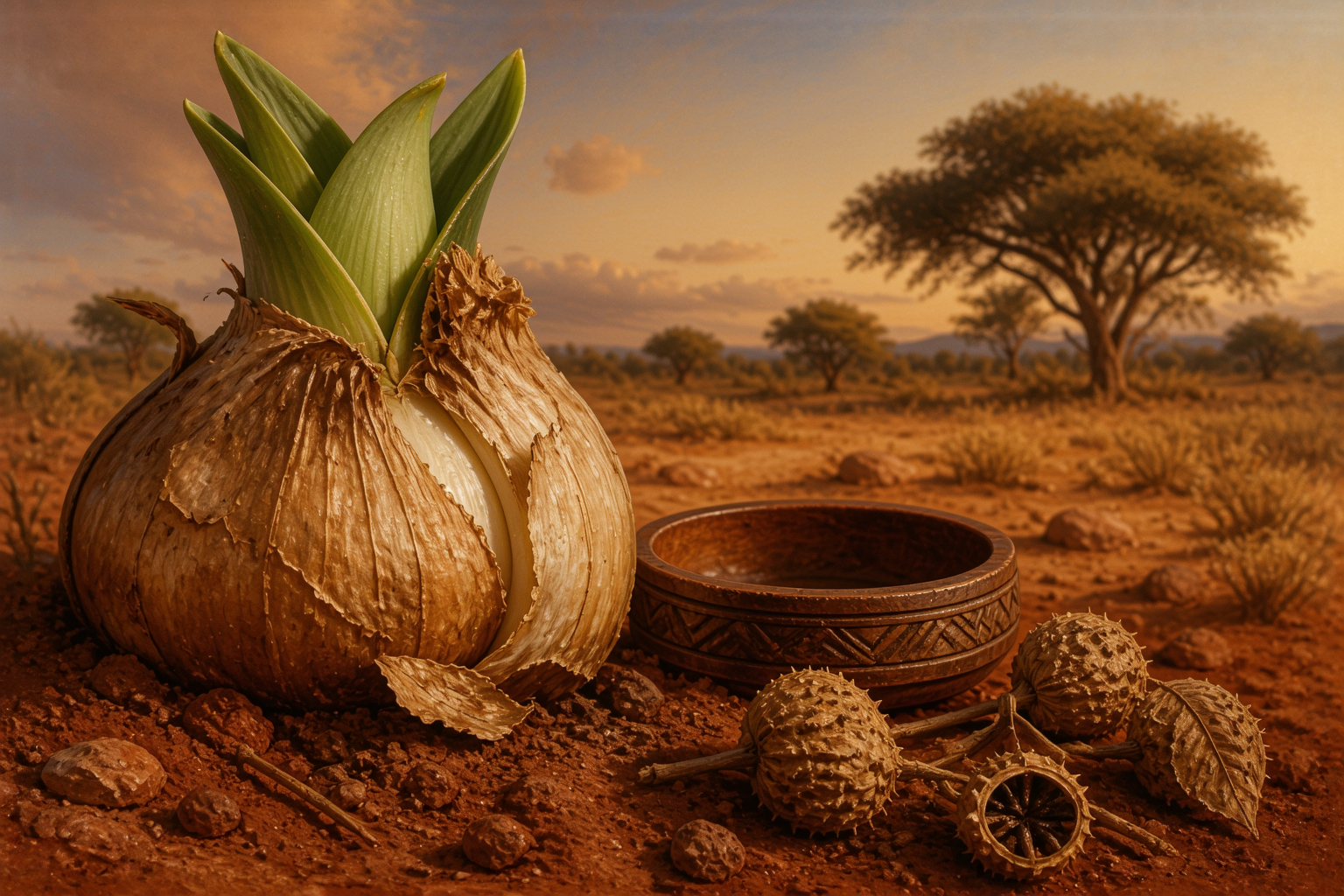
Among the Zulu, Xhosa, Shona, and San traditional medical practitioners of southern Africa, a particular bulb—Boophone disticha, known as leshoma in Sesotho—held a precise and austere purpose: not to heal a fever or stanch a wound, but to reveal the architect of misfortune itself. When someone fell ill without visible cause, or when calamity seemed … Read more

Peyote as the Herbal Transformation of a Deer: Huichol Lore and the Limits of the Vision-Quest Myth

Peyote as the Herbal Transformation of a Deer: Huichol Lore and the Limits of the Vision-Quest Myth

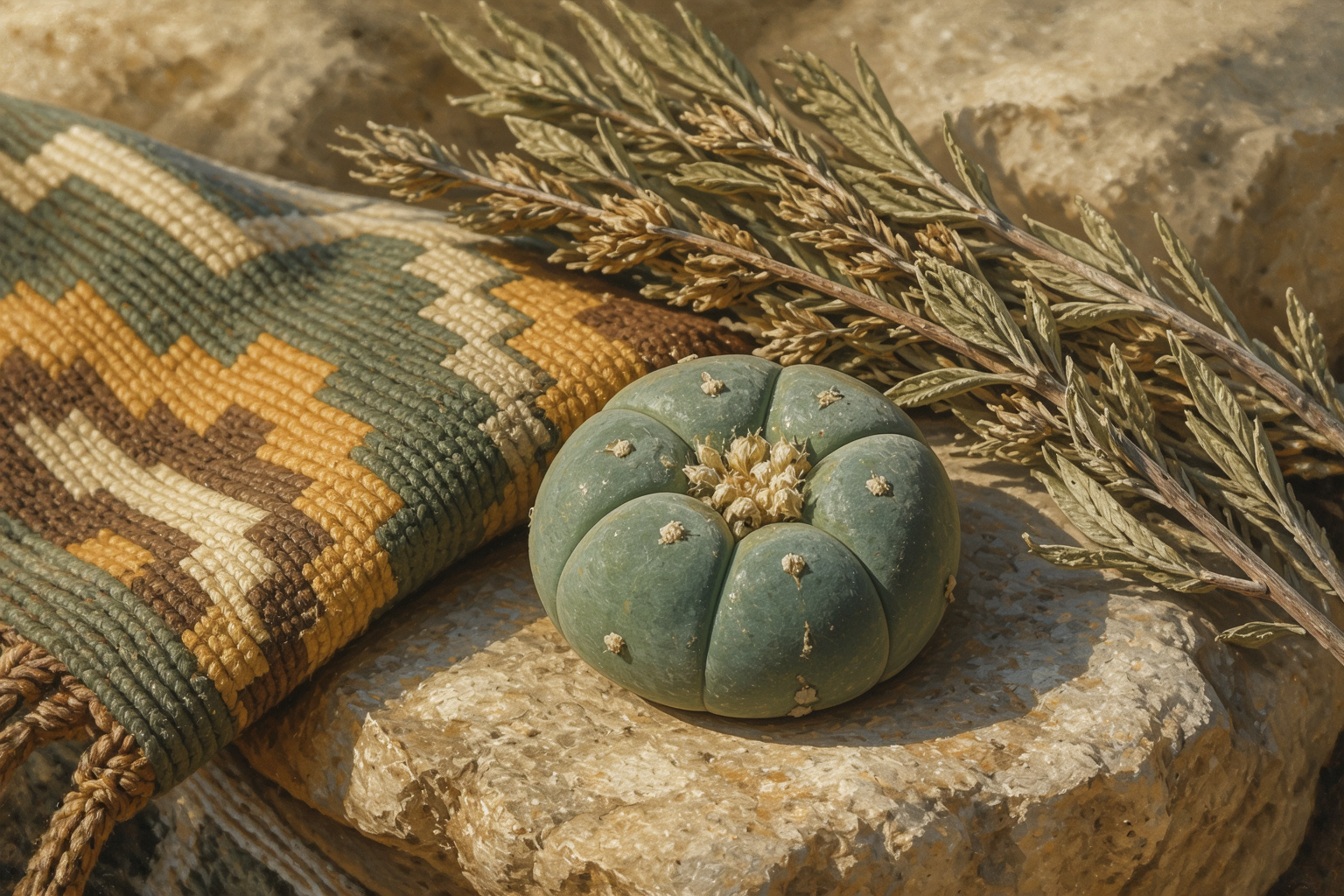
Peyote (Lophophora williamsii) is not a plant grown for visions alone. Among the Huichol people of Mexico, it is the herbal embodiment of Kauyumari, a divine deer spirit, reached through pilgrimage and used in ceremonial healing and divination. Yet the popular image of peyote as a hallucinogen first and foremost obscures what the historical record … Read more

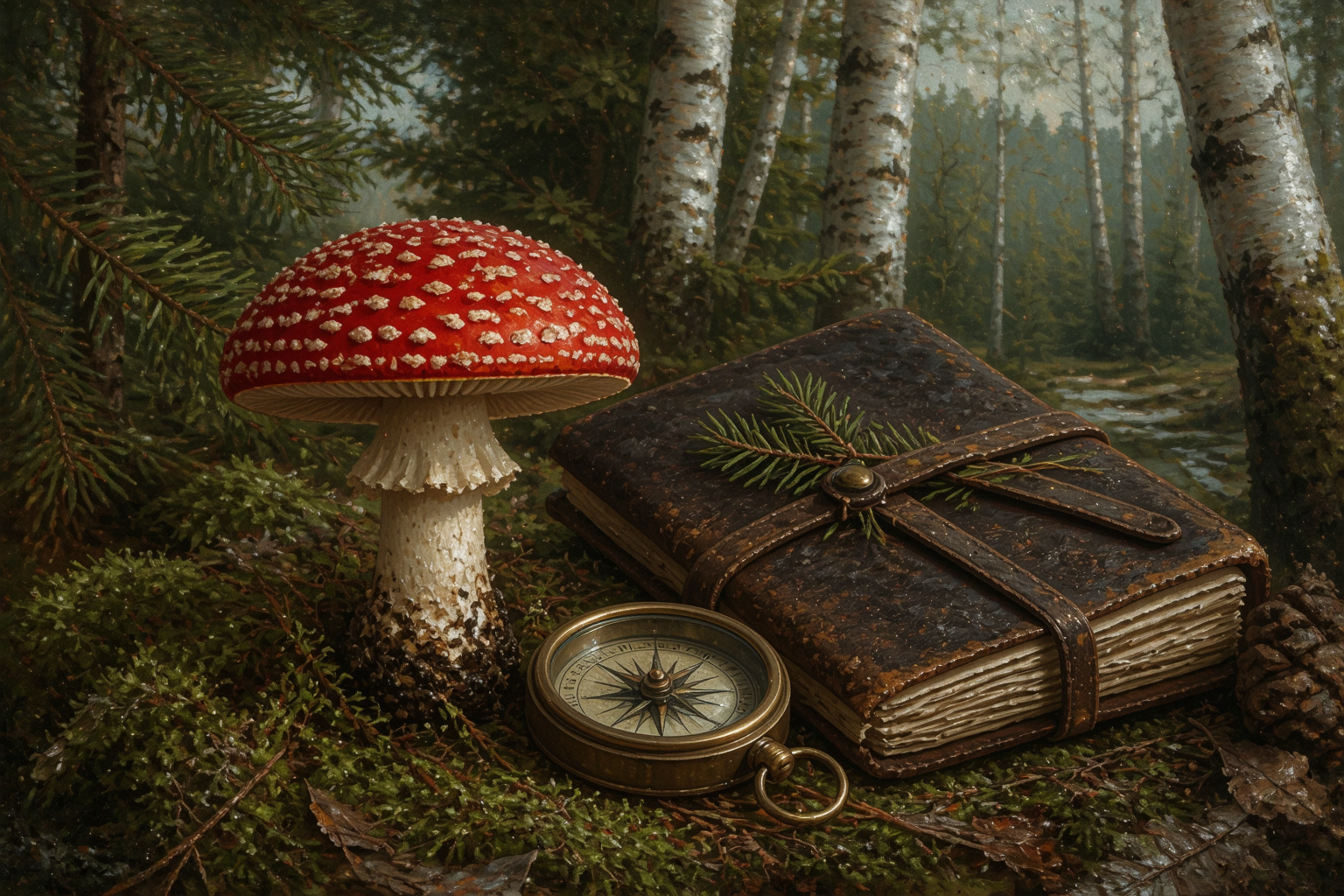
Fly Agaric and the Shaman’s Journey: What Siberian Peoples Believed a Mushroom Could Do

Fly Agaric and the Shamans Journey: What Siberian Peoples Believed a Mushroom Could Do

Among the Koryak peoples of northeastern Siberia, a red-and-white spotted mushroom called wapaq—known to science as Amanita muscaria, the fly agaric—held a place at the very center of shamanic healing and divination. What made this fungus extraordinary, in the eyes of the Koryak, was not merely its capacity to alter consciousness, but its role as … Read more

Foxglove

Foxglove

Digitalis purpurea, the foxglove, is a plant of Venus bound in Saturn’s shadow—a healer of the failing heart and a poison that has taught herbalism its most bitter and necessary lesson. I set down here what the old writers knew, what William Withering proved, and what every living reader must understand: that the line between … Read more

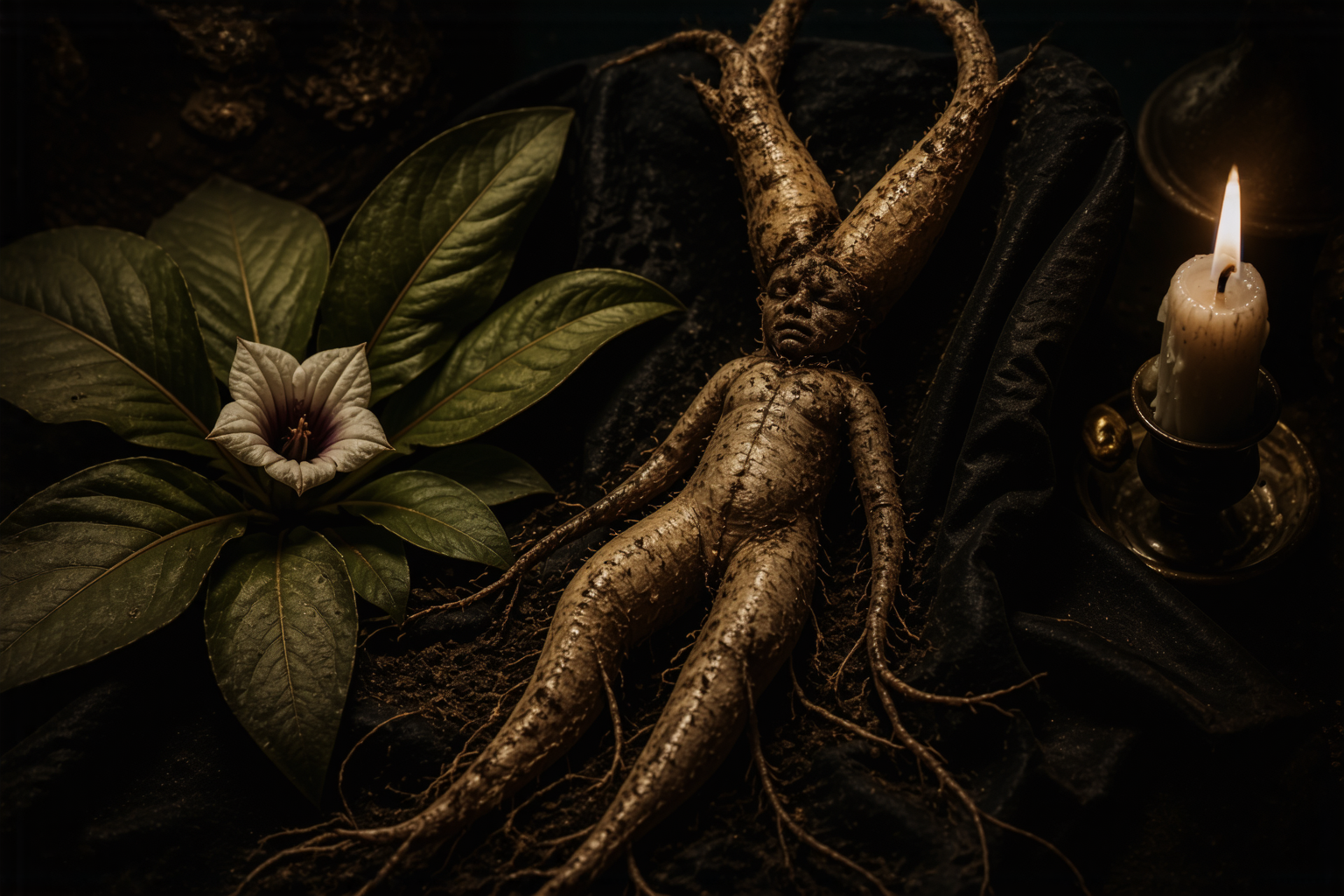
Mandrake

Mandrake

Mandragora officinarum, ruled by Saturn in the depths and by Mercury in the heights of desire, is perhaps the most storied of all solanaceous plants—a true narcotic, a legendary charm, and a poison whose reputation has overshadowed its actual virtues for two thousand years. Let the reader approach it as a matter of natural philosophy … Read more

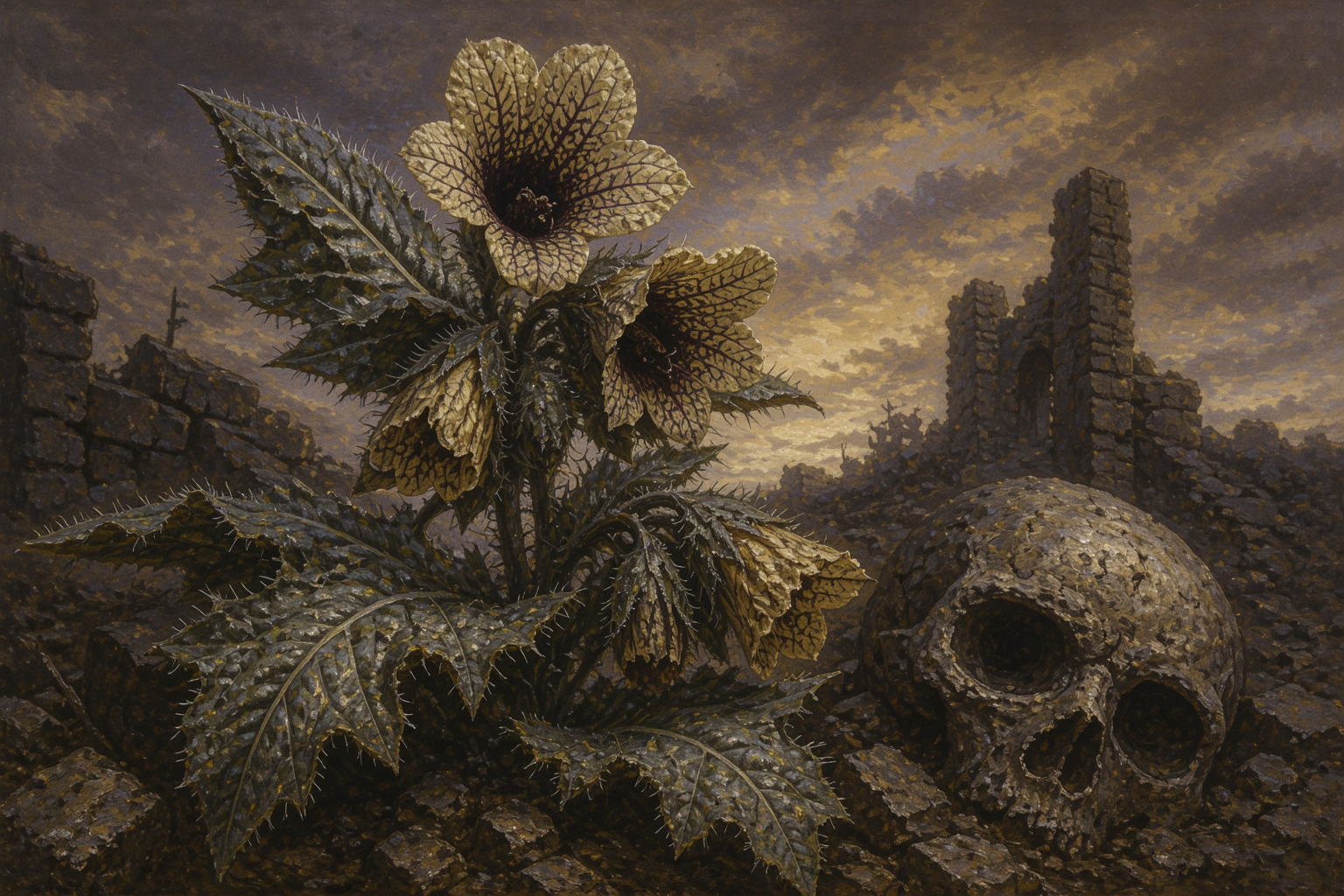
Henbane

Henbane

Hyoscyamus niger, the black henbane or stinking nightshade, is Saturn’s child and one of the most perilous plants that grows in the temperate earth. I set down what I know of it not as invitation to use, but as record—for the scholar, the gardener who has found it wild, and the reader who wishes to … Read more